Blog

  • Chronic Kidney Disease

    • Chronic kidney disease is a long standing disease of the kidneys leading to renal failure.
    • The kidneys filter waste and excess fluid from the blood. As kidneys fail, waste builds up.
    • When chronic kidney disease reaches an advanced stage, dangerous levels of fluid, electrolytes and wastes can build up in your body.

    Diagnosis

    • Urinalysis
    • Blood Test
    • Imaging Tests
      • CT Scan
      • MRI
      • Ultrasound
    • Kidney Bioscopy
    • Kidney Functioning Test

    Types

    • Acute prerenal kidney failure – Insufficient blood flow to the kidneys can cause acute prerenal kidney failure.
    • Acute intrinsic kidney failure – Acute intrinsic kidney failure can result from direct trauma to the kidneys, such as physical impact or an accident.
    • Chronic prerenal kidney failure – When there isn’t enough blood flowing to the kidneys for an extended period of time, the kidneys begin to shrink and lose the ability to function.
    • Chronic intrinsic kidney failure – This happens when there’s long-term damage to the kidneys due to intrinsic kidney disease.
    • Chronic post-renal kidney failure – A long-term blockage of urrinary tract prevents urination. This causes pressure and eventual kidney damage.

    Stages

    • Stage 1: with normal or high GFR (GFR > 90 mL/min)
    • Stage 2: Mild CKD (GFR = 60-89 mL/min)
    • Stage 3A: Moderate CKD (GFR = 45-59 mL/min)
    • Stage 3B: Moderate CKD (GFR = 30-44 mL/min)
    • Stage 4: Severe CKD (GFR = 15-29 mL/min)
    • Stage 5: End Stage CKD (GFR <15 mL/min)

    Symptoms

    • Nausea
    • Headache
    • Vomiting
    • Loss of appetite
    • Fatigue and weakness
    • Sleep problems
    • Changes in how much a person urinates
    • Decreased mental sharpness/ Confusion
    • Muscle twitches and cramps
    • Swelling of feet and ankles
    • Persistent itching
    • Chest pain, if fluid builds up around the lining of the heart
    • Shortness of breath, if fluid builds up in the lungs
    • High blood pressure (hypertension) that’s difficult to control

    Causes

    • Type 1 or type 2 diabetes
    • High blood pressure
    • low blood flow to the kidneys
    • inflammation
    • sudden high blood pressure
    • blockages, sometimes due to kidney stones
    • elevated blood sugar
    • high blood pressure
    • kidney infections
    • polycystic kidney disease
    • Heart disease
    • Glomerulonephritis , an inflammation of the kidney’s filtering units (glomeruli)
    • Interstitial nephritis , an inflammation of the kidney’s tubules and surrounding structures

    Risk Factors

    • Diabetes
    • High blood pressure
    • Heart and blood vessel (cardiovascular) disease
    • Smoking
    • Obesity
    • Family history of kidney disease
    • Abnormal kidney structure
    • Older age
  • Cystitis

    • Cystitis is an inflammation of the bladder. Inflammation is where part of the body becomes irritated, red, or swollen.
    • Cystitis is the most common type of urinary tract infection.
    • Women tend to get cystitis much more than men do.

    Diagnosis

    • Physical Exam
    • Cystoscopy
    • Imaging Test –
      • X-ray
      • Ultrasound
      • MRI
    • Urine analysis
    • Retrograde urethrography to find problems in the urethra

    Symptoms

    • Frequent urge to urinate
    • urge to urinate after you’ve emptied your bladder
    • cloudy or strong-smelling urine
    • a low fever if in combination with a UTI
    • blood in your urine
    • pain during sexual intercourse
    • sensations of pressure or bladder fullness
    • cramping in your abdomen or back
    • nausea
    • vomiting
    • back or side pain
    • chills

    Causes

    • urinary tract infection (UTI)
    • taking certain drugs
    • exposure to radiation
    • ongoing use of a catheter
    • irritating hygiene products
    • Chemicals in personal care products, such as bubble baths, soaps, and spermicides.

    Risk Factors

    • Current or recent urinary tract infection (UTI)
    • Radiation therapy
    • Chemotherapy
    • Use of a catheter
    • Diabetes
    • kidney stones
    • HIV
    • spinal injuries
    • interference with the flow of urine
  • Lobar Nephronia

    • Lobar nephronia is an acute localized non –liquefactive infection of the kidney caused by bacterial infectio.
    • It is considered a midpoint in the spectrum of upper urinary tract infection (UTI) between acute pyelonephritis(APN) and intrarenal abscess.
    • Longer duration of antibiotics are generally required in patients with acute lobar nephronia in comparison to acute pyelonephritis.

    Diagnosis

    • Ultrasound
    • CT scan
    • Kidney Functioning Test

    Symptoms

    • Nausea
    • Headache
    • Vomiting
    • Fever
    • Abdominal Pain
    • Flank Pain
    • Tenderness and percussion pain of the costoverbral angles
    • Loss of appetite
    • Fatigue and weakness
    • Sleep problems
    • Changes in how much a person urinates
    • Confusion
    • Muscle twitches and cramps
    • Swelling of feet and ankles
    • Persistent itching
    • Chest pain, if fluid builds up around the lining of the heart
    • Shortness of breath, if fluid builds up in the lungs
    • High blood pressure (hypertension) that’s difficult to control

    Causes

    • Type 1 or type 2 diabetes
    • High blood pressure
    • Low blood flow to the kidneys
    • Inflammation
    • sudden high blood pressure
    • Blockages, sometimes due to kidney stones
    • Elevated blood sugar
    • High blood pressure
    • Kidney infections
    • Polycystic kidney disease
    • Heart disease
    • Glomerulonephritis, an inflammation of the kidney’s filtering units (glomeruli)
    • Interstitial nephritis, an inflammation of the kidney’s tubules and surrounding structures
  • Enlarged Fatty Liver

    • An enlarged liver is one that’s bigger than normal. The medical term is hepatomegaly. It happens when too much fat builds up in the liver. 
    • When fatty liver develops in someone who drinks a lot of alcohol, it’s known as alcoholic fatty liver disease(AFLD).

    How is Enlarged fatty liver diagnosed?

    • With a physical examination
    • Ultrasound
    • CT scan
    • MRI
    • If hepatomegaly means enlarged liver is confirmed then blood tests becomes necessary
    • Complete blood count
    • Liver Functioning Test(LFT)
    • Livev related antibody identification tests.

    Symptoms

    An enlarged liver often does not cause any symptoms. Doctors often detect it when treating a patient for another, unrelated condition. It may occur along with other symptoms, especially if the underlying cause is a primary liver disease. These symptoms may include:

    • Jaundice (yellowing of the whites of the eyes and skin)
    • Nausea and vomiting.
    • Fatigue
    • Pain in the upper middle or upper right side of the abdomen
    • Filling up quickly after meals
    • Headache
    • Laziness and heaviness in body
    • Low apatite, etc.

    Causes

    • Several diseases or conditions can cause the liver to enlarge. For some people, an enlarged liver results from consuming too many toxins, like alcohol.
    •  One of the main cause of this disease is Laziness and Poor lifestyle.
    • Other diseases and medical conditions that can cause the liver to enlarge include:
      • Cancers, including liver cancer or cancer from other organs spreading to the liver.
      • Blood backflow from the heart as a result of congestive heart failure or other diseases affecting the valves of the heart
      • Budd-Chiari syndrome (blood clots in the blood vessels that drain the liver)
      • Excess fat in the liver, usually as a result of obesity, alcohol use or diabetes.
      • Genetic (inherited) disorders that cause fatty or sugary substances to build up in the liver.
      • Acute fatty liver of pregnancy (abnormal fat accumulation in the liver during pregnancy)

    Naturopathy Treament

    • Mud pack of stomach
    • Full body mud pack
    • Enema
    • Alternate fomentation of liver , kidney and spine.
    • Full body massage
    • Dry friction bath
    • Wet friction bath

    Yoga

    1. Mudras
      • Gyana Mudra
      • Vayu Mudra
      • Apana Mudra
      • Prana Mudra
      • Mukul Mudra ( keeping fingers on the liver region)
    2. Pranayam
      • Nadishodhan
      • Anulom vilom
      • Bhastrika
      • Kapalbhati
      • Ujyayi
      • Bhramari
    3. Sukshma vyayam of legs, hands griva chalan and eye movement.
    4. Vajrasana samooh
      • Thunderpose(vajrasana)
      • Cat pose (marjari asana)
      • Tiger pose (vyaghra asana)
      • Frog pose (Mandookasana)
      • Camel pose (Ushtrasana)
      • Rabbit pose(shashank asana)
    5. Yogasanas laying down on back
      • Suptaudrakarshanasan
      • Setubandha asana
      • Suptatadasana
    6. Asanas laying down to stomach
      • Makrasana
      • Bhujangasana
      • Tiryakbhujangasana
      • Dhanurasana
    7. Sitting pose
      • Nauka chalan
      • Chakki chalan
      •  Pashchimottanasan
      • Meru vakrasana
      • Padmasana
    8. Standing pose
      • Tadasana
      •  Triyaktadasana
      • Katichakrasana
      • Vrikshasana
    9. Suryanamskar completing with Shithalikaran

    Yoga for Enlarged liver disease in severe condition

    • (Pranav ka dhyan) that is consciousness on inhale and exhale..
    • Chanting of Om mantra internally.
    • Yogic mudras – Make the mudras and fix it with paper tape. Do each mudra for 5 minutes
      • Gyana mudra
      • Vayu mudra
      • Apana mudra and
      • Prana mudra
    • Follow the yoga practices only under the guidance of a trained Yoga and Naturopathy practitioner.

    Diet

    First three weeks

    Since it is a liver disease, the patient should take food which is easily digestible. The patient should be on liquids for atleast 3 weeks if the condition is very serious.

    After three weeks

    •  In morning: 6am to7am
      • 10 pieces- Raisins, 2 pieces- Dates, Anjeer (soaked in water and grinded to make a solution).
    • At 9am
      • One bowl of Daliya ( liquid)
      • One bowl of mix vegetables soup.
      • One Pulpy fruit
    • 12 pm
      • One tablespoon of curd mixed with a glass of water
    • 1.30 pm to 2 pm
      • Boiled Vegetable, soupy brown rice and one bowl of salad chopped minutely into pieces.
    • 4pm
      • A glass of citrus juice. Sweet lime juice is always the best .
    • 7pm to 8pm
      • One Pulpy fruit ( mango is best in other season chikoo or papaya or other pulpy fruit can be taken).
      • Before bed, take a cup of warm water and a one inch piece of jaggery.

    Do’s and Don’ts

    Say YES to:

    1. Wake up before sunrise.
    2. Take proper rest.
    3. Pray and have positive and generous thoughts.
    4. Take pure natural satwik food.
    5. Milk, butter milk, sprouts, fox nuts dates, raisins, fig, honey, jaggery, and sweet pulpy fruits.
    6. Fruit juice and vegetable’s soup.

    Say NO to:

    1. Laziness, stress, selfishness.
    2. Maida, pickles, papad, Mathias, bhujiya, nimki, biscuits.
    3. All kind of packed food and juice.
    4. Tea, coffee, white sugar and red chilly.
    5. Avoid to eat without hunger and over eating.
    6. Avoid all sour food including lemon and tamarind.

    All the information available on this website is for education and awareness purposes only. Follow these practices only under the guidance of a trained Yoga and Naturopathy practitioner. Punam Agarwal and her Yoga and Naturopathy initiatives are not liable for any injuries caused during the process.

  • Diabetes

    Diabetes

    Diabetes is a root of many fatal/deadly diseases. It is the most severe epidemic faced by the world. The WHO recognises diabetes as an incurable disease. We do not. We have been able to completely reverse and control this disease in all of our patients.

    Symptoms like excessive thirst, urination, laziness, dullness etc. may indicate the presence of diabetes. Consult a doctor for diagnosis and perform all the tests to monitor the disease.

    Diabetes refers to a condition in which the glucose levels in the blood are high for a prolonged period of time. It has been classified into two types:


    Diabetes Insipidus:

    Signs And Causes:

    This is the type of diabetes when there is no sugar in urine, and the patient experiences increased thirst and frequent urination.

    It has two types depending on its underlying cause:

    1. (Nephrogenic DI): The underlying cause could be a malfunction of kidney and support organs
    2. (Neurogenic DI): The underlying cause could be a nervous disorder

    Other reasons include inhibition of pore secretion due to close skin pores.


    Diabetes Mellitus (Blood Sugar):

    Signs and Causes:

    Commonly referred to as diabetes, diabetes mellitus is any condition in which the glucose levels are high for a long period of time.
    Symptoms are frequent urination, increased thirst, and increased or decreased hunger.

    The underlying cause is a malfunction of the endocrine system “mainly liver and pancreas“. It could be either lifestyle related, or due to a genetic disorder. In all cases, the endocrine and digestive processes fail to keep up with the requirements of the harmonious operation.


    Treatments:

    All types of diabetes need the treatment of the whole body, to resume the harmonious operation naturally.

    Naturopathy Treatments:

    • Kunjar
    • Enema
    • Shankh Prakshalan
    • Relaxing Steam Baths, followed by cold showers followed by Cold Friction Bath
    • Air Bath
    • Hormonal Deep Tissue Massage after Steam Bath
    • Whole Body Wet Sheet Pack
    • Targeted Mud Pack
    • Cold Enema
    • Hormone Bath/ Pack
    • Hot Foot Bath
    • Alternate Fomentation
    • Woolen Cotton Pack (Wet Bandage)

    Diet :

    Dos:

    • Take all fruits rich in vitamin C, orange, sweet lime (mousambi), Malta, lemon etc.
    • Juices of Sweet Lime, Carrot, Tomato (ripe, uncooked), are quite beneficial
    • Whey/Butter-Milk/Curd-Milk
    • Take light, Healthy and Tasty food that is easily digestible

    Don’ts:

    • Bakery (All kinds of Biscuits included): Anything containing bakery agents in preparation must be avoided. This is because baking agents give hell to the excretory systems (nephrons) and are dangerous oxidants
    • Avoid heavy diets that are hard to digest
    • Avoid Cereals and Grains after 7:00 pm as much as possible
    • A trained Y&N doctor will make a diet plan that suits you that you can follow easily

    Yoga:

    Pawan Muktasana:

    First, we will begin with Pawan Muktasana regime, this is to free the body from gaseous accumulation and prepare it for the oncoming asanas. We will follow with:

    • Fingers moments
    • Wrists movements
    • Elbow moments
    • Shoulders movements
    • Ankle movements
    • Knee movements
    • Pelvic movements
    • Neck movements
    • Eye movements

    Asanas:

    • Vajrasana (the thunderbolt pose)
    • Marjari asana (cat pose)
    • Vyaghrasana (tiger pose)
    • Shashankasana (rabbit pose)
    • Ustrasana (Camel Pose)
    • Supta Vajrasana (reclined thunderbolt pose)
    • Mandukasana (Frog Pose)
    • Shashanka San + Bhujangasana + Tiryak Bhujangasana
    • Suptaudrakarshanasan
    • Setu Bandha (Bridge Pose)
    • Bhujangasana (cobra pose) – all postures
    • Dhanurasana (Bow Pose)
    • Makrasana (Crocodile Pose)
    • Tadasana asana
    • Tiryak tadasana
    • Katichakrasana
    • Surya Namaskara
      • with mantra
      • with the name of asanas
      • with breathing

    Pranayam:

    • Nadishodhan
    • Anulom Vilom
    • Bhastrika
    • Kapaalbhati
    • Shitali
    • Shitkari

    Mudra:

    • Prana Mudra
    • Apan Vayu Mudra
    • Surya Mudra
    • Tadagi Mudra

    Bandh:

    • Tribandh
    • Agni Sara Kriya

    Shatkarma:

    • Kunjar
    • Shankprakshalan
    • Kapaalbhati

    Shithlikaran and Yoga-Nidra


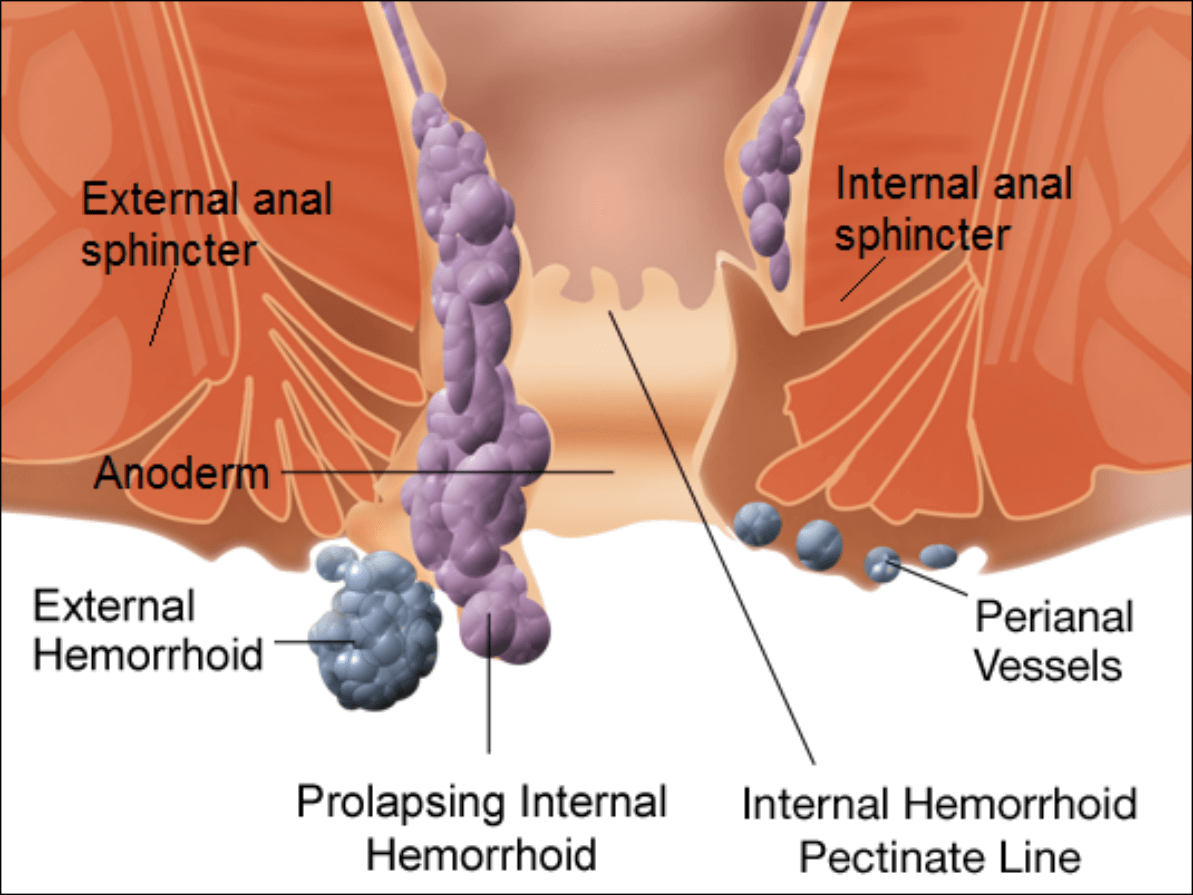
  • Fissure

    Fissure

    Go for nature cure treatments before going for surgery.

    Symptoms:

    • Anal discomfort,
    • Itchiness,
    • Swelling,
    • Pain in the rectal area,
    • Blood in stool,
    • A lump inside and out of the anus,
    • Stomach pain,
    • Headache.

    Causes:

    • Constipation,
    • Excessive of gas and acidity,
    • Intake of spices like red chilli, dry ginger,
    • Intake of some medicines that cause slowing the digestive system- worse the condition of anal function,
    • Diarrhea,
    • Excessive oily and fried food which dehydrates the food in the stomach,
    • Intake of oxidant like alcohol,
    • Indigestible food.

    Treatment:

    First, find out the causes that are responsible for your condition and get rid of them.

    We need to treat the entire digestive system and follow a proper diet.

    Naturopathy:

    • Mud pack on stomach,
    • Alternate fomentation,
    • Woollen Cotton bandage from chest to waist,
    • Enema with coconut oil and pure aloe vera gel,
    • Locally use of aloe vera,
    • Alternate hip bath with Epsom salts,

    Diet:

    Diet matters a lot in these conditions. You must know what to eat, and more importantly, what not to.

    Fibre vs. Roughage:

    Dietary Fibre is of two types:

    • Fibre is soluble in water. Fruit pulp, beans etc. are dietary fibre.
    • Roughage is insoluble in water. This is what keeps the food moving in our digestive system.
      It’s found in fruits and vegetable peels, whole wheat, etc.

    Normally people need both types of dietary fibre for a healthy locomotion. However, roughage containing food may worsen the condition.
    Take mild, digestive, nonspicy food like daliya, boiled vegetables, sweet pulpy fruits, anjeer and dates.


    Yoga and Yogamudra:

    Doing these yoga mudras and yogic practices are extremely beneficial in these conditions:

    • Apana mudra
    • Prana mudra
    • Ashwini mudra
    • Agnisara kriya
    • Tribandh
    • Bhramari pranayama
    • Anapana
  • Stomach Bath (Kunjar)

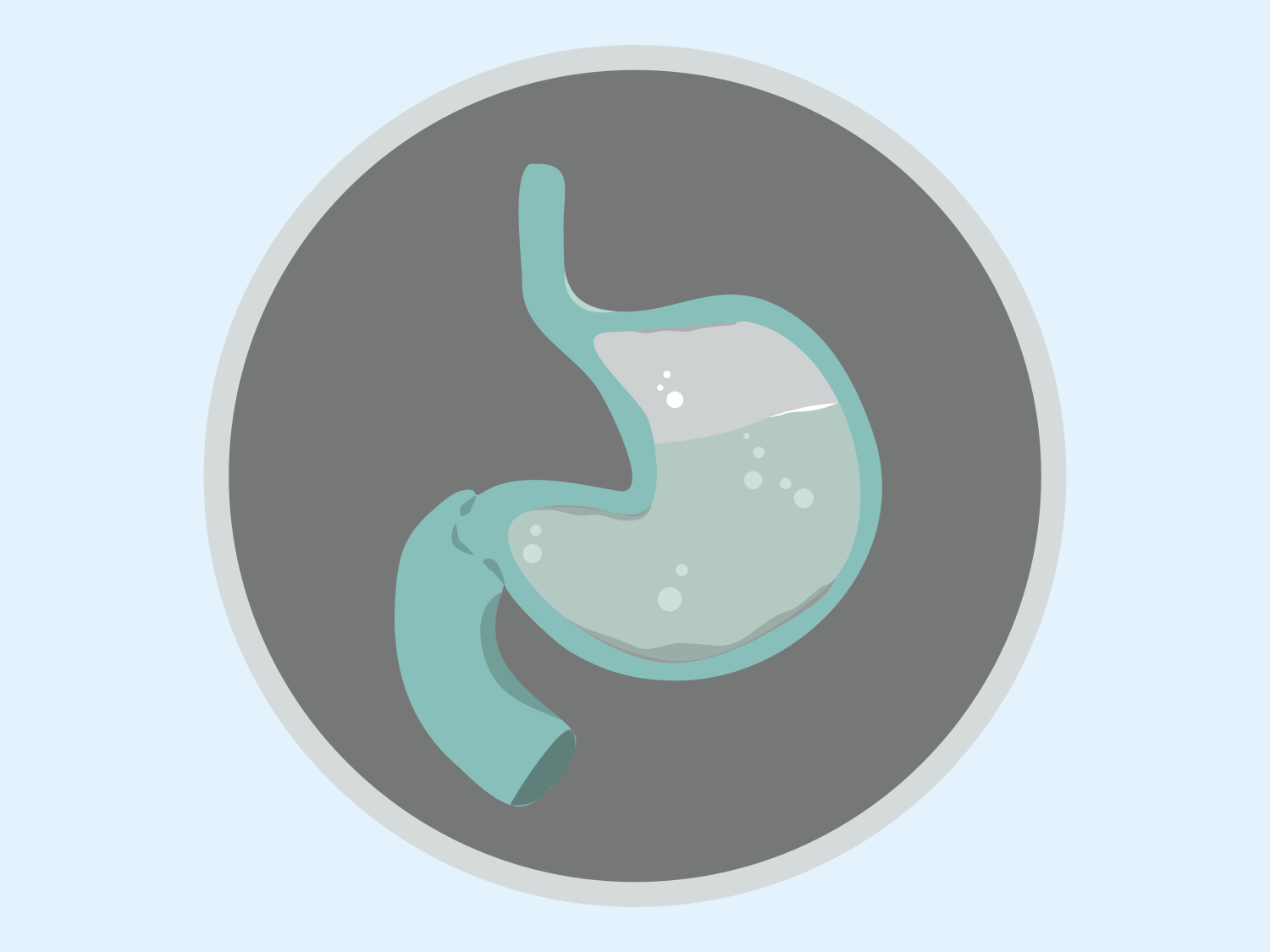
    Stomach Bath (Kunjar)

    Stomach bath (Kunjar) removes all the ailments of the stomach, chronic mucous, accumulated cough, and too much acidity. One should not take stomach bath if the heart is weak or there is swelling in the wind pipe.

    Preparation:

    • Take three glass fulls of water.
      • Take lukewarm water for maximum benefit in *stub*.
      • Take cold water for maximum benefit in *stub*.
    • Optionally add a pinch of salt to the water.
      • Add salt if *stub*.
      • Leave salt if *stub*.

    Take stomach bath only early in the morning after answering the call of nature.

    Method:

    • Drink all the prepared water.
    • Bend forward and put your fingers in your mouth and lightly press the tongue.
      • avoid scratching your throat.
    • The water inside the stomach will come out.
    • Let all the water come out.
    • Finally, a burp may come indicating completion.
    • Relax by taking deep breaths.
    • Completed!

    Benefits:

    • Kunjar is your quick acidity relief whenever you need it.
    • It causes convulsions in the lungs so if cough is accumulating in the lungs and you are having trouble breathing, Kunjar will take the cough out.
    • It is highly beneficial for asthma, fever, cough and cold.

    It is normal for your nose to run and cough to come out of your mouth and nose while the water comes out in the process. Nothing to worry about.


  • Eye Bath: Give your eyes the bath they deserve.

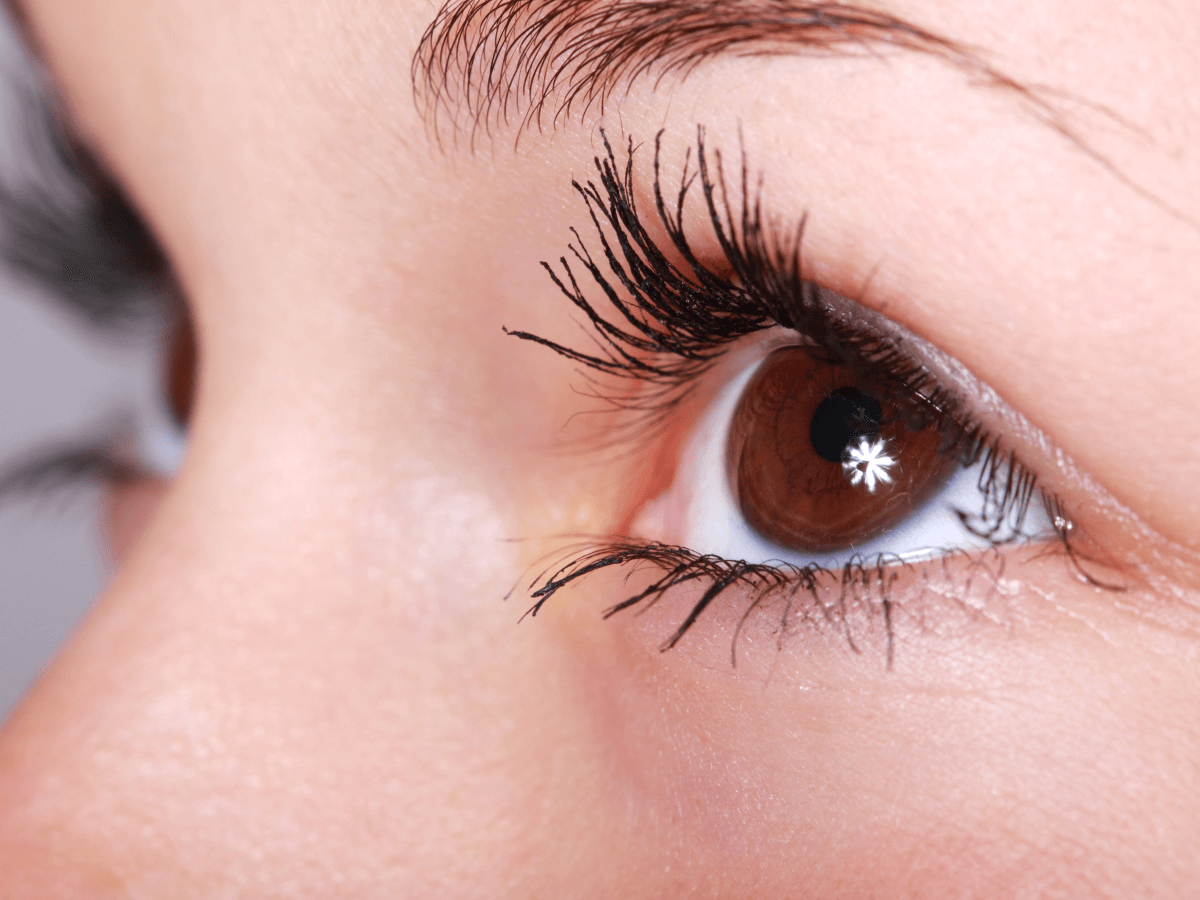
    Eye Bath: Give your eyes the bath they deserve.

    Eyes should be washed regularly to remove ailments and to improve eyesight. Developing a habit of taking a Naturopathic Eye-Bath every night before sleep will not only remove all the ailments of the eyes but also help you improve your eyesight.

    Method:

    1. Fill a large bowl with clean and cold water and place it on a flat surface.
    2. Immerse both eyes in the water.
    3. Open and close your eyes inside the water repeatedly for 1-2 minutes.

    Precautions:

    • Always take an eye bath only before going to sleep. Rinsing washes off eyes’ natural lubricative protection. This may cause sunlight and the wind to cause injury to the eyes. It is best to take this treatment only before going to sleep.
    • Taking an Eye-Bath is a really healthy treatment and should be developed as a nightly habit.
    • One must avoid strong sunshine and strong wind just after an eye-bath.
  • Mud Bath

    Mud bath is very useful in calming down body heat. It is used for treating many chronic skin diseases, including infections and to enhance the overall beauty of the skin. This is also known as the best therapy for beautification.

    Materials Required:

    1. Mud
      Mud found in a river bed or the bottom of a pond is very beneficial for a mud bath.
      Otherwise, any sort of smooth soil that does not contain rock fragments will do.
    2. Tub
      To prepare the mud with water, a tub or similar sized utensil is required.

    Preparations

    Mix the mud with water in the tub to acquire a paste-like consistency

    Treatment

    1. Apply mud all over your body, and sit in the sun
    2. Apply one more layer each time the mud dries
    3. Continue for 15-60 minutes as per the prescription
    4. When the mud has finally dried, wash the mud with cold water while rubbing your body with your palms

    Benefits

    1. Mud Bath is effective in:
      • All kinds of skin diseases
      • Blood Diseases
      • Insomnia
      • Diseases of the nervous system
      • Diseases of the digestive system
    2. Mud Bath followed by steam bath is curative for genitalia and helps in their good health
    3. Mud Bath can be given to people of all ages, from babies to old people looking for pain relief

    Precautions

    1. Avoid taking mud bath in winters or in hill stations where the sun is not hot enough
    2. Tie a thin peice of cloth on wounds, rashes and burns to avoid skin injuries before taking a mud bath

    Note:

    Use of Earth (Mud) to cure ailments and boost health has been applied across ages.
    Earth is what we are made of. It is one of the mildest yet most effective cure known to mankind. Prolonged contact with mud can have wonderful results. It can be used pain relief, infection remedy, a beauty boost, relaxation, etc. It is not uncommon for spas and relaxation to include mud baths charged with minerals like magnesium (Epsom salts) and fragrances to give a healing and relaxing experience. It’s the earth that does the healing, relaxing, cooling, and overall nourishing of the body during such sessions, which are now in your reach.
    The area and applications of mud bath can use some serious research, and our experience and expertise already have seen many benefits of it.

  • Thyroid Disease

    Myths:

    •A person suffering from thyroid disease has to take medicine life long.

    •That thyroid diseases are not curable without medicine.

    Truths:

    •Most cases of thyroid diseases are curable by naturopathy and yoga.

    •Medicine related to thyroid diseases cause severe hormone-related metabolism problems.

    What is Thyroid Disease?

    There is a butterfly-shaped endocrine gland situated at the base of the neck called the thyroid gland. This gland secretes hormones on which the metabolism depends.

    •Any kind of dysfunction of the thyroid gland is referred to as Thyroid Disease.

    •Most common types of thyroid diseases are:

    1.  Hyperthyroidism – The overproduction of hormone by the thyroid.

    2.  Hypothyroidism – The condition in which thyroid does not produce enough hormones.

    3.  Thyroid Nodules- Lumps, tumor or swelling in the thyroid gland.

    4.  Goiter – Abnormally enlarged thyroid.

    5.  Thyroiditis – Inflammation of thyroid.

    6.  Thyroid Cancer – Cancer in the thyroid.

    Tests for thyroid disease:

    •Ultrasonography

    •Blood Tests:

    •T3 – The thyroid gland produces a hormone called thyroxin which is known as T3.

    •T4 – Thyroid gland produces the other hormone called thyroxine which is known as T4.

    •TSH – There is an endocrine gland situated at the base of the brain is called pituitary gland. This gland is master gland of the body. The pituitary gland produces a hormone called Thyroid Stimulating Hormone[TSH].

    How does thyroid work?

    In a healthy human body, when there is a need for release of thyroxine into the bloodstream, the pituitary glands secrete the TSH (Thyroid Stimulating Hormone into the blood) this TSH is received by the thyroid glands which secrete Thyroxine (T3 and T4) into the bloodstream as the result.

    TSH tells the thyroid to do it’s job.

    Thyroxine then is received by the pituitary and pituitary receives it as a signal to stop the production of TSH.Thyroxine tells the pituitary to stop producing TSH  . If pituitary gland does not produce enough TSH – level of thyroid hormone fall. If the level of TSH is high the level of thyroid hormone will increase. If a patient suffers from thyroid disease and regularly takes thyroxine, then the secretion of TSH is also suppressed in the pituitary gland. This will lead to a gradual degeneration of the pituitary glands and lead to all sorts of hormonal diseases, be ranging from diabetes to renal failure, and then tumors and cancer of the endocrine system.

    TSH – Measures the level of hormones in the blood secreted by the thyroid.

    T3, T4, and TSH these three hormones together regulate the body temperature, the metabolism, and the heart rate.

    Causes of Thyroid Diseases

    •Pituitary disorders

    •A defective thyroid.

    •Acidity.

    •Constipation.

    •Liver disease

    •Unnatural lifestyle

    •Intake of medicines that directly or indirectly affects the hormone.

    •Excessive of mental pressure or work less dull life.

    •Having diet with bakery agents, and preserving agents or unmatched food which cause acidity.[unmached food means- one or more food taken together to cause acidity . Such as biscuits with tea or coffee or dairy products with salty food. Vegetables cooked with too much of oil and red chilli etc ].

    •And more.

    Symptoms of Thyroid Diseases

    •Changes in energy

    •Changes in heart rate

    •Swelling in the neck

    •Waight gain or loss

    •Muscles weakness

    •Weakness and fatigue•Difficulty in sleeping

    •Increased sensitivity to heat and cold

    •Excessive dry or puffy skin

    •Dry, irritated, puffy or bulging eyes.

    •Hair loss

    •Menstrual problems

    •Infertility

    •Abnormally menopause

    •The feeling of heaviness in mind or body all the day.

    •Depression or changes in mood.

    Treatment Of Thyroid Disease

    Medicine

    1.Medicines generally control the disease, not cure the disease.

    2.The medication results in many complications as side effects

    Operation/Surgery

    For some critical cases, surgery is one option to get cured.

    Don’t panic and  before starting medication for thyroid diseases. Always go for Yoga and Naturopathy treatments first.

    Yoga For Thyroid Disease

    1. All the light exercises

    2. Neck movements- very slowly with the concentration on deep breathing and every stretch on the neck

    3. Pranayam

    •Anulom Vilom

    •Kapaalbhati

    •Bhastrika

    Ujyayi pranayam with griva shwasan(concentration of inhale and exhale in throat)

    •Bhramari [bhramari pranayama is effectively good for pituitary gland which controls the thyroid gland.

    •Anapana

    4. Asana

    •Tadasana

    • Tiryaktadasana

    • Katichakrasana

    • Surya Namaskar

    • Shithalikaran

    5. Mudra

    • Prana mudra
    • Apanavayu mudra
    • Shankha mudra


    6.  Tribandh
    Aarogyam Note:

    Pranayama is the most important treatment of thyroid disease.

    Maintain the same sequence as shown above. After pranayama, do at least two minutes of Aanapana (aanapana is complete concentration on breathing. Stay conscious of how breath is entering the nostril and exiting it. Feel the contact of air on your face and all over the body).

    Thyroid disease is a hormone-related disease. All the pranayamas with aanapana stimulate the hormones to keep the thyroid gland healthy.

    Surya namaskar with Tadasana, Tiryak tadasana ,Katichakrasana , and Shithalikaran all together is very beneficial for thyroid disease. It effects very positively on endocrine glands, digestive system, reproductive and excretory systems.

    Naturopath treatment for Thyroid Diseases:

    If the weight is over because of thyroid disease concentration should be given to get rid of the disease first then losing the weight.

    • Mud Bandage

    • Enema

    • Alternate Fomentation

    • Hot Foot Bath

    • Spine Bath

    • Steam Bath

    • Mehan Patti

    • Woolen Cotton Bandages

    • Alternate Hip Bath

    • Massage

    Diet Therapy:

    Diet therapy completely depends on the situation of disease and comfort of the patient.

    There are some additions and subtractions in daily routine should be followed by all.

    The main external factor for causing thyroid disease is excessive of acid formation in the stomach.

    SAY NO TO:

    • tea and coffee

    • food with bakery agents especially biscuits.

    • food with red chilly

    • protein in dinner

    • milk or any dairy product after sunset

    • pickles and food categorised as dead food

    • hard drink or soft drinks and smoking

    • excessive of starchy food

    • over eating

    SAY YES TO:

    • Pure natural and light food which is easy to digest.

    • fresh milk, whey, buttermilk, sprouts , dry fruits and fresh fruits

    • jaggery, honey, raisins ,

    • lemon, sweet lime, and juice of citrus fruits

    • fresh and green vegetables

    • kalpas and fasts after consulting a doctor.